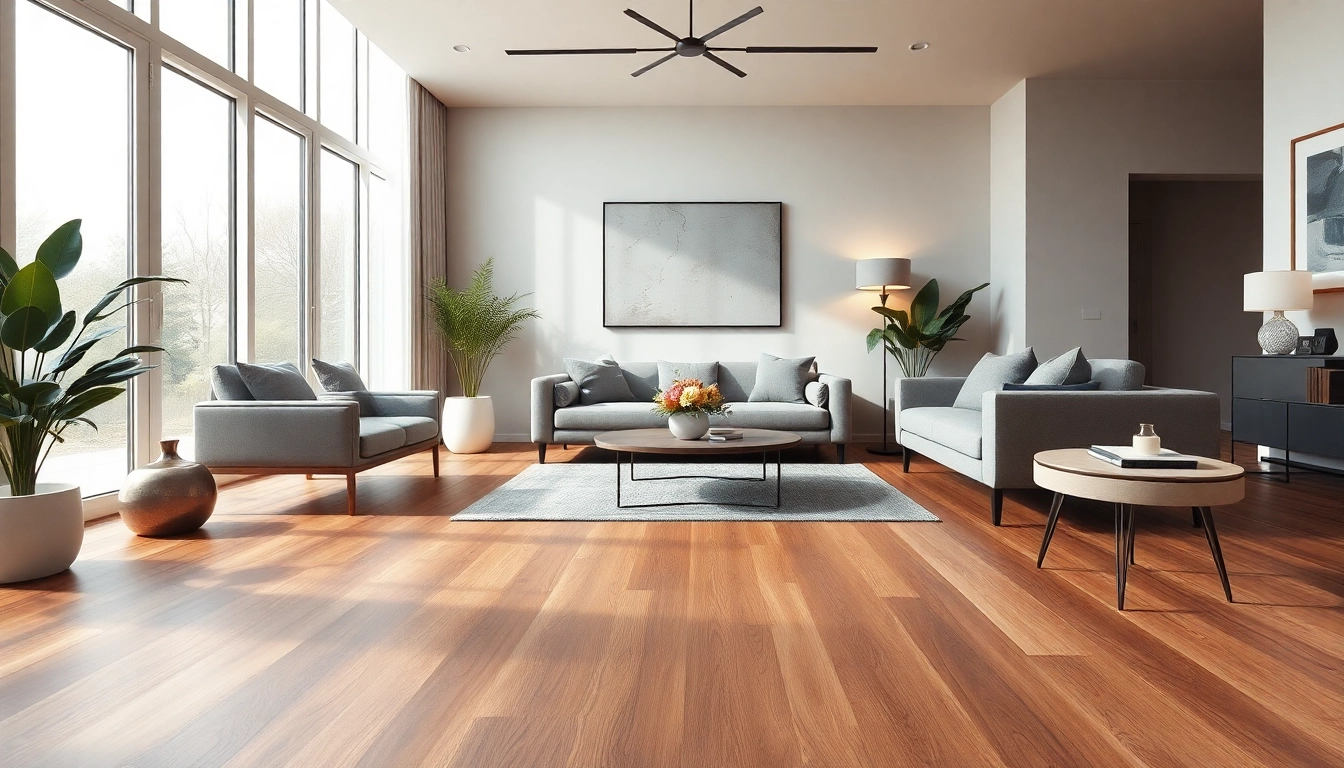
Understanding Waterproof LVP Flooring
What is Waterproof LVP Flooring?
Waterproof LVP flooring, or waterproof luxury vinyl plank flooring, represents an innovative solution for homeowners seeking durability and aesthetics in one package. This type of flooring mimics the appearance of natural materials like wood or stone while providing enhanced resistance to moisture. Constructed with multiple layers, including a waterproof core, a design layer, and a protective wear layer, waterproof LVP flooring combines practicality with style. Its ability to withstand spills, humidity, and temperature fluctuations makes it ideal for a variety of spaces, including kitchens, bathrooms, and basements. Notably, homeowners and renovators are increasingly opting for this flooring type due to its resilience and ease of maintenance, making it a perfect fit for both residential and commercial settings. Explore our collection of waterproof lvp flooring for a stylish upgrade to your home.
Key Features and Benefits of Waterproof LVP Flooring
The key features of waterproof LVP flooring exemplify its versatility and user-friendly nature. One of the standout advantages is its 100% waterproof construction, preventing any water damage that could compromise the flooring’s integrity. The wear layer provides substantial protection against scratches and dents, making it a resilient choice for high-traffic areas. Additionally, waterproof LVP flooring is often softer underfoot compared to hardwood or tiles, which adds to its comfort level.
Another notable benefit is its ease of installation. Many varieties feature a click-lock system that enables straightforward DIY installation, further reducing the overall cost. Aesthetically, waterproof LVP flooring comes in an extensive range of styles, colors, and textures, allowing homeowners to customize their spaces according to their preferences. Moreover, this flooring type is generally low-maintenance, requiring only regular sweeping and occasional wet mopping to keep it looking fresh.
Differences Between Waterproof LVP Flooring and Other Flooring Types
When comparing waterproof LVP flooring to other flooring options, several key distinctions arise. Unlike traditional hardwood flooring, which can warp or rot when exposed to moisture, waterproof LVP flooring remains unaffected by water. Furthermore, tile floors, while also water-resistant, can be quite cold and hard underfoot, making them less comfortable for prolonged standing or walking.
In contrast, carpets provide softness but are notoriously difficult to clean and maintain in wet areas. In terms of cost, waterproof LVP flooring often delivers a more budget-friendly solution than conventional hardwood or stone, while still offering a similar aesthetic thanks to advancements in design technologies. Ultimately, the decision rests on what attributes are most valued by the homeowner.
Choosing the Right Waterproof LVP Flooring for Your Space
Factors to Consider When Selecting Waterproof LVP Flooring
Selecting the appropriate waterproof LVP flooring for your space involves understanding various factors. Begin by assessing the area where the flooring will be installed. Consider traffic levels, existing decor, and specific functional requirements such as the need for slip resistance in kitchens or bathrooms. Additionally, determine your budget, as costs can vary significantly between brands and styles.
Another critical factor is the thickness of the planks and the quality of the wear layer. Thicker planks typically offer enhanced durability and comfort, while a high-quality wear layer provides better protection against scratches and scuffs. Pay special attention to the warranty provided by the manufacturer, which can be indicative of the flooring’s longevity and quality.
Color and Design Options Available
Waterproof LVP flooring comes in a myriad of color and design options, catering to every taste. From light rustic oak to dark walnut shades, potential buyers can find a style that aligns with their interior design vision. Aside from wood looks, imitation stone designs are prevalent in the market, offering a modern and sleek appearance suitable for contemporary spaces.
Furthermore, textured finishes that mimic the feel of real wood or stone deepen the visual realism of waterproof LVP flooring. Patterns and multi-tone variations also cater to those looking for a unique twist, making it easier than ever to achieve a high-end look without the upkeep associated with natural materials.
Cost Considerations for Waterproof LVP Flooring
The cost of waterproof LVP flooring can vary based on several factors such as brand, design, thickness, and additional features. Basic options might start at a lower price point, but higher-end products with advanced wear layers, sound insulation, and lifelike designs may reach premium price ranges. Aside from initial costs, it’s essential to consider installation expenses, which can either increase or decrease the overall budget based on whether you choose professional help or opt for DIY installation.
It’s also advisable to account for long-term value. While a lower-cost option may save money initially, investing in a high-quality waterproof LVP flooring might result in reduced maintenance costs and longer lifespan, ultimately leading to more significant savings over time.
Installation Process for Waterproof LVP Flooring
Preparation Steps Before Installation
Preparing the space prior to installation is critical for ensuring a successful outcome with waterproof LVP flooring. Begin with a clean, dry surface; remove any old flooring, and make sure the subfloor is level and free from debris. Depending on the environment, checking for moisture levels is crucial, especially near areas prone to leaks.
Subflooring materials such as concrete may require additional measures, such as moisture barriers, to prevent potential issues later. Additionally, acclimating the flooring planks is advisable; allow them to sit in the room where they will be installed for a specified duration. This step helps prevent warping and ensures the flooring adjusts to the environment.
DIY vs. Hiring Professionals for Installation
Deciding whether to attempt a DIY installation or hire professionals depends on several factors, including your comfort level with home improvement projects and the complexity of the job. DIY installation can be cost-effective and rewarding if you possess basic skills and tools. Waterproof LVP flooring often features an easy click-lock mechanism that simplifies the installation process.
However, if the project involves a large area or requires special adjustments due to irregular room shapes or transitions, hiring professionals might provide peace of mind. Professional installers have the experience and tools needed to ensure a flawless finish and may offer warranties on their work.
Common Mistakes to Avoid During Installation
When installing waterproof LVP flooring, certain errors can compromise the quality and longevity of the flooring. One common mistake is neglecting to check the subfloor’s moisture levels, which can cause problems down the line. Another issue is improper acclimation of the planks before installation, which can lead to expansion or contraction.
Additionally, failing to leave adequate space around the edges of the room for expansion can create buckling once the flooring is installed. Lastly, skipping the underlayment, when necessary, can result in uneven surfaces and increased wear over time. Ensuring adherence to best practices can significantly enhance the durability and appearance of the flooring.
Maintenance and Care for Waterproof LVP Flooring
Best Practices for Cleaning Waterproof LVP Flooring
Maintaining waterproof LVP flooring is straightforward, making it ideal for busy lifestyles. Daily maintenance typically involves simple tasks such as sweeping or vacuuming to remove dirt and debris. For deeper cleaning, a damp mop with a mild cleaner specifically designed for vinyl flooring can keep surfaces looking fresh without causing damage.
Avoid using abrasive materials or harsh chemicals, as these can dull the surface over time. Additionally, place mats at entryways to reduce the amount of dirt and grit brought indoors, which can wear down the flooring prematurely. Routine care will ensure that the stunning finish of waterproof LVP flooring remains intact for years.
Durability and Longevity of Waterproof LVP Flooring
One of the primary attractions of waterproof LVP flooring is its impressive durability and longevity. Typically designed to withstand heavy traffic, it can last for a decade or more with proper care. The wear layer contributes of its durability, defending against scratches, dents, and stains that would otherwise impact lesser flooring types.
Moreover, waterproof features ensure that exposure to moisture—and the resulting mold and mildew—will not shorten the floor’s lifespan. However, maintaining optimal conditions, such as regular cleaning and avoiding excessive water, is still crucial for maximizing life expectancy.
Signs Your Waterproof LVP Flooring Needs Replacement
While waterproof LVP flooring boasts impressive durability, specific signs suggest it may be time for a replacement. When planks begin to warp, buckle, or curl at the edges, this indicates underlying issues, such as moisture problems or inadequate installation. Additionally, excessive scratching or wearing away of the surface can compromise the aesthetic appeal and functionality.
If you notice prominent stains that cannot be removed or persistent odors, especially in moisture-prone areas, these could signify damage that necessitates replacing sections or the entire floor. Regular inspections will help you determine the condition of your flooring and its readiness for replacement.
FAQs About Waterproof LVP Flooring
Can waterproof LVP flooring be installed in bathrooms?
Yes, waterproof LVP flooring is perfect for bathrooms due to its moisture-resistant properties, making it a practical choice.
How does waterproof LVP flooring react to heavy traffic?
It holds up well under heavy foot traffic, thanks to its durable wear layer that protects against scratches and dents.
Is waterproof LVP flooring environmentally friendly?
Many waterproof LVP flooring products are made with recycled materials and are free of harmful VOCs, making them a more eco-friendly option.
What is the lifespan of waterproof LVP flooring?
With proper care, waterproof LVP flooring can last up to 10-25 years, depending on the quality and usage.
How should I clean my waterproof LVP flooring?
Routine cleaning involves sweeping or vacuuming followed by damp mopping with a mild cleaner to maintain its appearance and longevity.